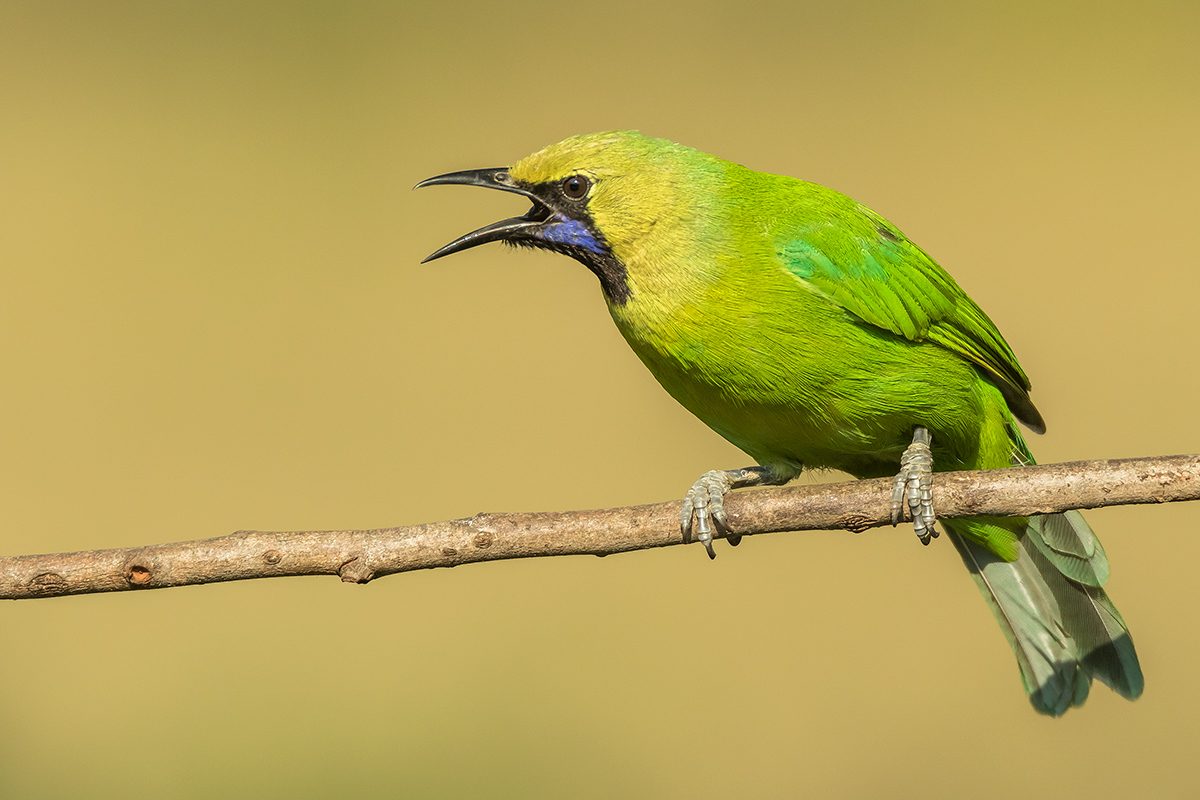

Jerdon's Leafbird

Chloropsis jerdoni

Passeriformes · Chloropseidae

Food Habits

Jerdon's Leafbird: Master of the Forest Feast
Jerdon's Leafbird: Master of the Forest FeastJerdon's Leafbird: Master of the Forest Feast

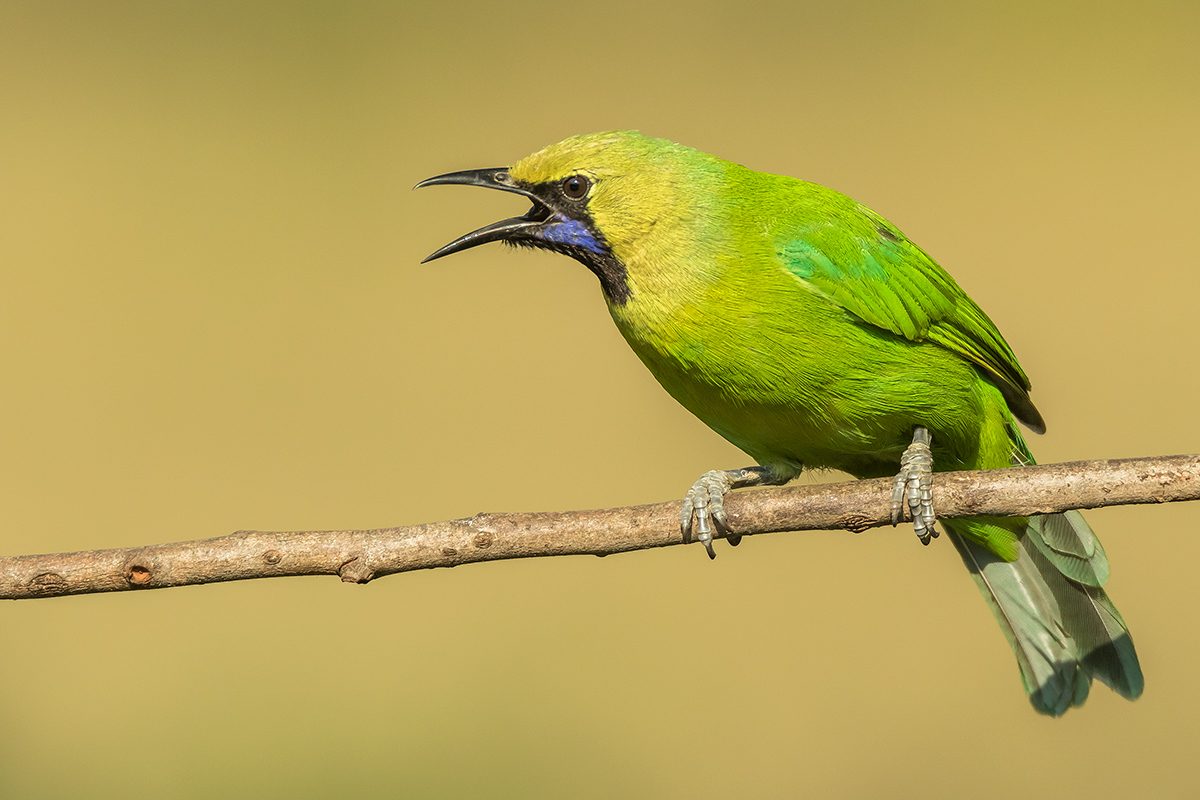
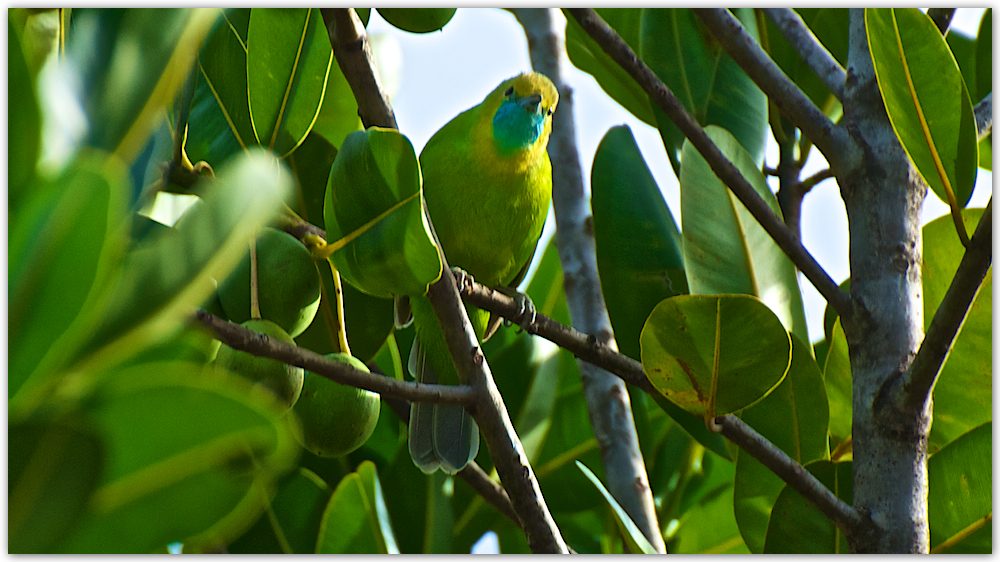
Deep within the sun-dappled emerald embrace of the forest canopy, a vibrant avian jewel flashes into view. This is the Jerdon's Leafbird, a master of foraging, whose diet is as varied and rich as its surroundings. Weighing a mere 24.5 grams with a wing length of 84.6 millimeters, this active insessorial bird navigates the branches with remarkable agility, constantly on the hunt for sustenance. Its classification as an omnivore belies a sophisticated foraging strategy. While many birds rely on seeds, the Jerdon's Leafbird completely bypasses them; its diet holds a resounding zero percent seed content. Instead, a significant portion—a full 40 percent—comprises invertebrates. Watch closely, and you might see it meticulously gleaning insects from foliage, snatching spiders from webs, or even hawking flying prey mid-air with swift, precise movements. These protein-rich morsels are vital for its energetic lifestyle. But the invertebrate hunt tells only half the story. The remaining 60 percent of its diet comes from the forest's bounty of plant resources. This includes sipping nectar from blossoms, a sweet energy boost, and feasting on succulent fruits, which provide essential vitamins and hydration. The Jerdon's Leafbird's existence is intricately tied to the diverse offerings of its forest home, adapting its menu through the seasons and its migratory journeys. Ultimately, the Jerdon's Leafbird exemplifies an omnivorous generalist, thriving by embracing a dynamic and diverse diet that excludes seeds entirely.
Habitat

Forest's Green Jewel: The Jerdon's Leafbird's Canopy Realm

Forest's Green Jewel: The Jerdon's Leafbird's Canopy Realm

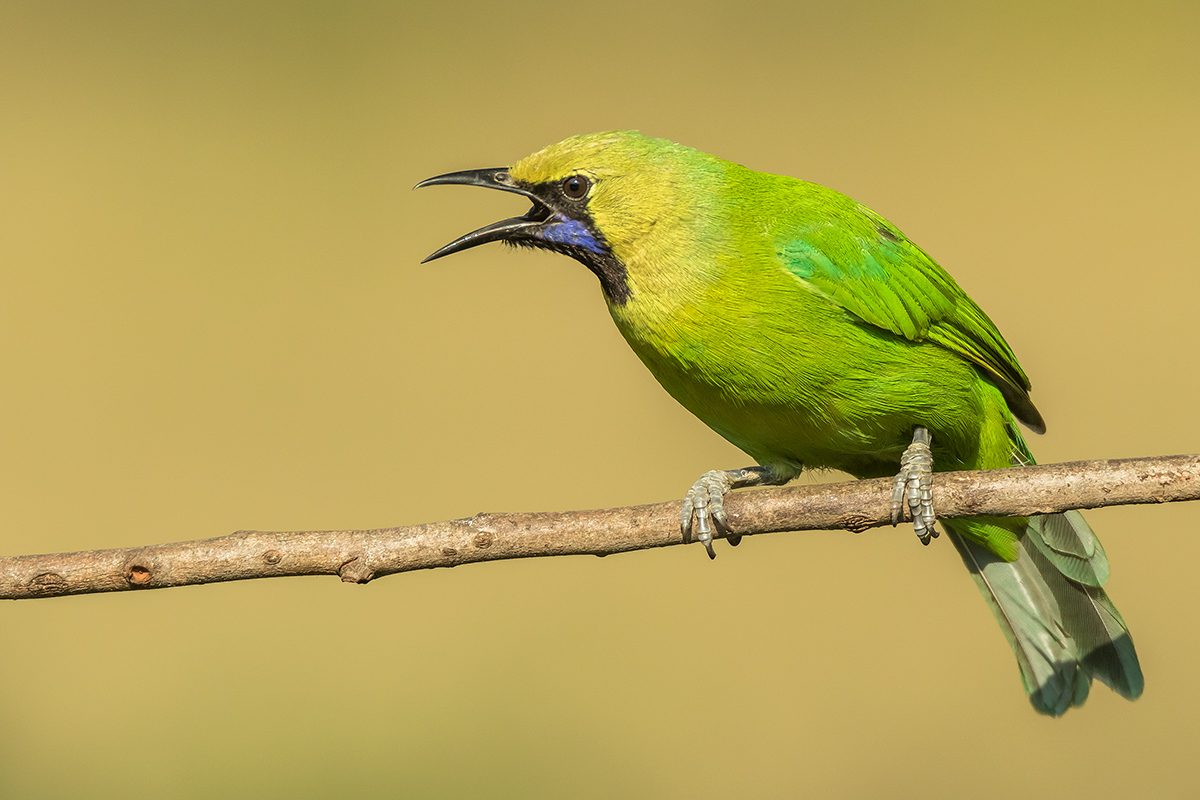
Listen closely to the rustle above. Deep within the sun-dappled canopies of South Asia's forests, a vibrant green flash darts between leaves. This is the realm of the Jerdon's Leafbird, a feathered jewel exquisitely adapted to its arboreal home. Weighing a mere 24.5 grams, with wings spanning just 84.6 millimeters, this delicate bird navigates dense foliage with remarkable agility. Its life is entirely woven into the forest structure, living as an insessorial specialist, rarely descending to the ground. It thrives in the humid, broadleaf evergreen and deciduous forests found across its range, primarily peninsular India. Here, amidst tangled branches and swaying vines, it finds everything essential for survival. As an omnivore, its diet leans heavily towards invertebrates. The leafbird constantly searches for insects and spiders among leaves and bark, supplementing this with fruits and nectar readily available within its rich forest ecosystem. This intricate network provides not just sustenance, but also vital shelter and ideal perching spots for its melodious calls. The Jerdon's Leafbird is also migratory, moving between different forest areas seasonally. This movement underscores its reliance on extensive, healthy forest landscapes, essential for both breeding and overwintering. The Jerdon's Leafbird embodies the forest; its continued presence is a direct indicator of the vitality of these ancient, life-sustaining woodlands.

Parenting

Architect of the Canopy: Leafbird's Hidden Nursery

High in the sun-dappled canopy, where the forest's breath is purest, a tiny architect is at work. Weighing a mere 24.5 grams, the Jerdon’s Leafbird, a vibrant gem of green, meticulously crafts its nursery. These insessorial birds, known for their agility with a wing length of approximately 84.6 millimeters, do not choose just any branch. They seek slender, drooping twigs at the very tips of upper branches, often a precarious-looking location that offers surprising security from ground predators. Both the male and female Jerdon’s Leafbird are devoted builders. Their cup-shaped nest, a marvel of natural engineering, is intricately woven from fine roots, plant fibers, and tendrils. But it's their artistry that truly stands out: the exterior is camouflaged with carefully selected mosses, lichens, and even spider silk, making it almost indistinguishable from its leafy surroundings. This natural disguise is crucial for protecting the clutch of typically two to three pale, spotted eggs. Once the eggs hatch, the dedicated parents shift their omnivorous diet focus. While adult Jerdon's Leafbirds consume fruits and nectar, their young require protein. The 40% invertebrate portion of their diet becomes paramount, as a constant stream of insects and spiders is ferried back to the hungry nestlings. The parents tirelessly forage through the dense forest habitat, ensuring their offspring grow swiftly before the time comes for this migratory species to move on. The enduring lesson from the Jerdon's Leafbird is a testament to natural protection: the most secure sanctuary is often one that is cleverly concealed, not overtly defended.

Physical Features

Emerald Acrobats: The Jerdon's Leafbird's Design

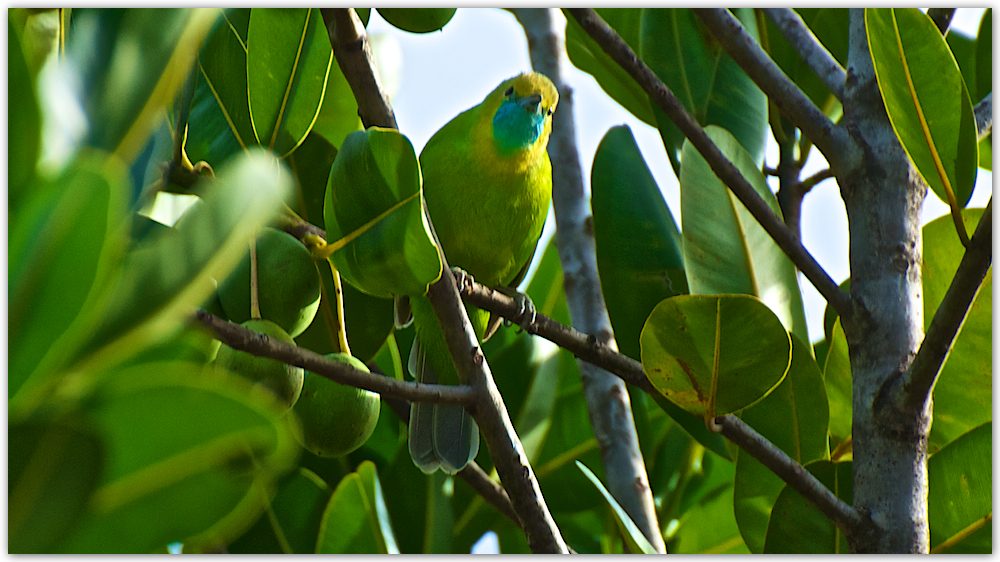
Deep within the emerald embrace of India's tropical forests, a flash of vibrant green reveals one of nature's most exquisite adaptations. This is the Jerdon's Leafbird, a master of camouflage whose very appearance speaks of its arboreal world. Weighing a mere 24.5 grams, roughly the weight of five US quarters, this bird possesses a lightness that belies its energetic demeanor. Its most striking feature, of course, is its plumage. Dominated by a brilliant, almost glowing emerald green, it allows the leafbird to disappear seamlessly amidst the dense canopy, making it a challenge to spot even for keen observers. This isn't just accidental beauty; it's vital for evading predators and ambushing prey. Its specialized bill, slender and slightly decurved, is perfectly engineered for its varied diet. While many birds forage for seeds, the Jerdon's Leafbird relies heavily on invertebrates and nectar, a preference reflected in this delicate instrument. It probes deep into flowers for sugary sustenance and deftly plucks insects from leaves or mid-air with remarkable precision. The wings, measuring approximately 84.6 millimeters, are relatively short and rounded. This design isn't for long-distance soaring, but rather for agile, acrobatic flight within the tangled forest understory and canopy. It allows for swift, darting movements, enabling it to weave through branches with unparalleled grace. Its strong, insessorial feet, adapted for perching, provide a secure grip, essential for its life spent navigating the high branches. Every physical attribute of the Jerdon's Leafbird, from its vibrant hue to its delicate bill and agile wings, is a finely tuned instrument for survival in its leafy domain.

Migration

Forest Jewel: The Migratory Call of the Jerdon's Leafbird

Forest Jewel: The Migratory Call of the Jerdon's Leafbird

Amidst the emerald canopies of South Asia, a flash of vibrant green reveals a master of disguise and endurance. This is the Jerdon's Leafbird, a seemingly delicate creature, weighing in at just 24.5 grams, with a wing length of 84.6 millimeters. Yet, despite its diminutive size, this insessorial forest dweller undertakes remarkable seasonal migrations. Driven by the changing availability of its preferred sustenance, particularly the invertebrate population that makes up 40% of its diet, the leafbird must move. As an omnivore, it relies on a variety of foods, but the shifting seasons dictate where these resources can be found in abundance. Imagine these small birds, with their short wings, navigating their regional territories. Their journey is typically a strategic movement within the Indian subcontinent and Sri Lanka, often seeking more hospitable conditions or richer food sources as seasons change, sometimes even moving altitudinally up and down hills. Each year, these tiny voyagers showcase incredible resilience, adapting their movements to ensure survival. Their flight path is a testament to the instinctual drive to follow the bloom and the insect, vital for their energy needs. The Jerdon's Leafbird reminds us that even the smallest inhabitants of our forests possess an astonishing capacity for enduring journeys.

Evolution

Emerald Wanderer: The Leafbird's Evolutionary Journey

Emerald Wanderer: The Leafbird's Evolutionary Journey

Deep within the humid forests of central India, a flash of brilliant green and gold catches the eye. This is the Jerdon's Leafbird, a master of camouflage and an emblem of evolutionary precision. Weighing a mere 24.5 grams, with wings spanning 84.6 millimeters, its delicate form belies a remarkable set of adaptations honed over millennia. Its vibrant emerald plumage isn't merely for show; it's a sophisticated evolutionary strategy, allowing this forest dweller to vanish seamlessly amidst the verdant canopy it calls home. But the leafbird's specialized existence extends far beyond its color. Its diet provides a vivid window into its past. Predominantly an omnivore, its palate is dominated by invertebrates, which constitute 40% of its food intake, alongside nectar and fruits. Notably, seeds are entirely absent from its diet, a distinct evolutionary pathway that differentiates it from many avian neighbors. This specialization has sculpted its slender, slightly curved beak, perfectly engineered for extracting insects from foliage or sipping nectar from blossoms. Furthermore, the Jerdon's Leafbird is a migratory species, a trait that demands exceptional physiological adaptations. Its light body mass and efficient wing structure allow it to undertake seasonal journeys, optimizing its access to vital resources across its range centered around 19.1° North, 78.9° East. Such migratory behavior represents a complex evolutionary response to environmental fluctuations, ensuring survival by pursuing the most abundant food supplies. Every aspect of the Jerdon's Leafbird, from its vibrant camouflage to its specialized diet and migratory lifestyle, showcases the relentless power of natural selection, forging a perfectly adapted, living jewel of the forest.

Explore more with the Perigo app →